

The Nature of Luck in Gambling
Luck is a pivotal element in the world of gambling, particularly within casinos. Many players enter these establishments hoping to experience that exhilarating rush of good fortune, which can turn a modest investment into a substantial win. The unpredictability of outcomes in games like slots, roulette, and poker makes luck feel even more significant. With every spin of the wheel or flip of a card, players are drawn into a dance with chance, where luck plays the leading role. For those seeking to enhance their gaming experience, 1win offers various options that can amplify the thrill of the game. It’s this very uncertainty that adds a layer of excitement to gambling, as players never quite know when fortune might smile upon them.
However, it’s essential to recognize that luck is not solely about random hits; it also intertwines with the player’s mindset and emotional state. A player who approaches a game with confidence and positivity may attract better luck, while someone burdened with stress or negativity may find themselves on a losing streak. This highlights the psychological aspect of luck, suggesting that our beliefs and attitudes can shape our experiences, making the line between skill and chance increasingly blurred in the casino environment. The mental state of a player can significantly impact their perception of luck and their overall gaming experience.
Additionally, the concept of luck varies from person to person. Some individuals view it as a mystical force, while others adopt a more analytical approach, believing that luck can be influenced by certain actions or rituals. For instance, players might wear lucky clothing or carry specific charms, hoping to sway the odds in their favor. This multifaceted perception of luck not only enhances the emotional experience of gambling but also enriches the social interactions that occur within the vibrant atmosphere of a casino. The shared belief in luck and its influence fosters a sense of community among players, creating connections that extend beyond the games themselves.
The Role of Chance in Casino Games
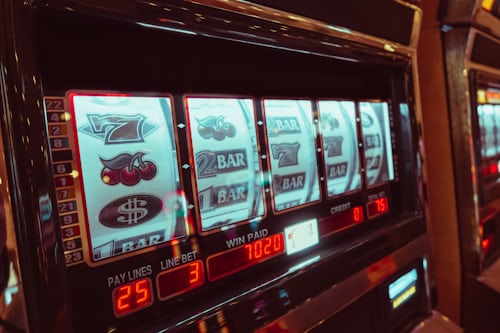
At the heart of every casino game is chance, crafting a landscape where luck reigns supreme. Games such as slots are entirely based on random number generators, meaning the outcome is entirely by chance, no matter how skillful one may be at selecting a machine. This randomness creates a unique thrill; players are often entranced by the unpredictability of when fortune might favor them. It’s this element of surprise that keeps many players coming back, hoping that the next spin could lead to an unexpected jackpot. The sheer randomness involved in these games emphasizes the idea that luck is an integral part of the gambling experience.
Conversely, some games like blackjack involve a blend of skill and luck. Players must employ strategy to make informed decisions while still relying on chance for card draws. This interplay can lead to moments of excitement and tension as players assess their odds and gamble on the intervention of luck. Ultimately, these experiences highlight that while skill may improve one’s chances, the element of luck remains an ever-present factor that can dramatically change outcomes in an instant. The balance between skill and luck creates a dynamic environment where players must adapt their strategies based on the flow of the game.

Moreover, casinos understand the psychological lure of luck and often create environments that amplify this effect. Lights, sounds, and vibrant colors contribute to the overall atmosphere, enhancing the feeling of excitement and anticipation. Players are drawn into a whirlwind of stimuli, heightening their emotional engagement and reinforcing the belief that their next big win is just around the corner. This ambiance fosters a unique gambling experience that makes players feel they have a personal connection with luck, even when it is genuinely an unpredictable force. The sensory overload enhances the thrill of chance, making every moment in the casino feel charged with potential.
The Psychology of Luck and Gambling
The psychology of luck unfolds through various lenses when it comes to gambling. Players often form personal narratives around their gambling experiences, attributing wins to skill or specific lucky events while blaming losses on bad luck. This tendency reflects the human desire to impose order on randomness. By crafting these narratives, players can maintain hope and motivation, which are essential psychological components in the often volatile gambling environment. The ability to create these stories allows players to find meaning in their experiences, making the highs and lows of gambling more bearable.
Furthermore, cognitive biases, such as the illusion of control, come into play. Players might believe that their choices can influence outcomes, leading to misplaced confidence. For instance, a player might feel that choosing a particular slot machine is the key to unlocking a series of wins due to prior success, even though outcomes are statistically unchanged. Recognizing these biases helps players understand their behaviors better, encouraging a more informed approach to gambling. This self-awareness can lead to healthier gambling habits and a more enjoyable experience overall.
Lastly, the concept of “gambler’s fallacy” also illustrates how luck affects the casino experience. This phenomenon occurs when players believe that past outcomes influence future results, such as assuming a slot machine is “due” for a win after a streak of losses. This mindset can lead to continued play, often leading to more significant losses. Understanding these psychological triggers is crucial for players to navigate their experiences more effectively and potentially mitigate the impact of luck on their gambling adventures. By acknowledging these mental traps, players can approach their games with a more rational mindset, enhancing their overall enjoyment.
The Impact of Superstitions and Rituals
Superstitions and rituals play a fascinating role in how players interact with luck in casinos. Many gamblers carry out specific behaviors or routines before or during gameplay, believing these actions can influence their luck. Common practices include wearing lucky charms, following certain sequences of play, or even reciting phrases meant to summon good fortune. These behaviors reflect an innate human desire to exert control over uncertain outcomes, providing psychological comfort in a world governed by chance. Engaging in these rituals can create a sense of agency, allowing players to feel as though they have some influence over their luck.
Interestingly, studies demonstrate that these rituals can boost players’ confidence and emotional well-being, which can enhance their overall gaming experience. When players feel empowered by their actions, they may approach games with a more positive mindset, ultimately leading to greater enjoyment. This underscores the importance of the mental aspect of gambling, where belief in luck, rather than luck itself, can significantly shape a player’s experience. The psychological benefits derived from these rituals can make the gambling experience more fulfilling and enjoyable.
Moreover, casinos often play into these superstitions by designing their spaces with symbols of luck, such as four-leaf clovers or images of lucky numbers. This creates an environment where the idea of luck is omnipresent, reinforcing players’ beliefs and encouraging them to engage in their rituals. Whether or not these practices change the odds, they certainly enrich the overall atmosphere of the casino, creating a shared experience among players who are all searching for that elusive stroke of luck. This communal aspect of gambling enhances the enjoyment of the experience, fostering connections between players who share similar beliefs.
Embracing the Casino Experience
Understanding how luck influences the casino experience allows players to engage more thoughtfully with their gambling activities. While outcomes are frequently driven by chance, the interplay of psychology, superstitions, and individual narratives offers depth to the experience. Embracing luck as a fundamental aspect of gambling can help players find joy in the unpredictability, ultimately enriching their overall experience. Recognizing the multifaceted nature of luck can transform how players approach their games, encouraging a mindset that appreciates both the excitement of chance and the lessons learned from losses.
It’s crucial for players to strike a balance between enjoying the thrill of luck and maintaining a responsible approach to gambling. Recognizing the role of chance can empower players to make informed decisions about when to play, how much to wager, and when to take a break. By fostering a healthy perspective towards luck and gambling, players can enhance their enjoyment and navigate the complexities of the casino environment with greater ease. This balance between excitement and responsibility is essential for a sustainable and enjoyable gambling experience.
For those looking to explore the fascinating world of luck and gambling, many resources and communities are available. From guides and articles to forums and social media groups, players can share their experiences and strategies while learning more about the intricate relationship between luck and their casino journeys. Ultimately, understanding luck can transform the way players experience casinos, turning chance encounters into memorable adventures. Engaging with these resources can enhance players’ understanding and appreciation of their gambling experiences, fostering a deeper connection with the world of chance.